
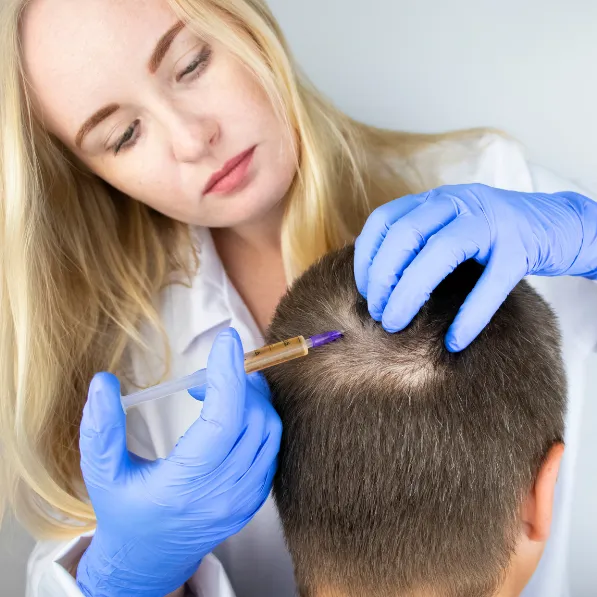
Mesotherapy is a minimally invasive procedure involving the intradermal injection of a customized cocktail of vitamins, enzymes, hormones, and plant extracts to stimulate cellular function and tissue regeneration. Originally developed for pain management, mesotherapy has become widely utilized in dermatology, aesthetic medicine, and hair restoration.
Mesotherapy plays a crucial role in the management of hair loss and the optimization of hair transplant outcomes. Its benefits in trichology include:
*Androgenetic Alopecia: Mesotherapy with growth factors, minoxidil, and finasteride has been shown to prolong the anagen phase and reduce hair follicle miniaturization.
*Telogen Effluvium: The injection of vitamins (biotin, pyridoxine), amino acids, and minerals improves scalp microcirculation and accelerates follicular recovery.
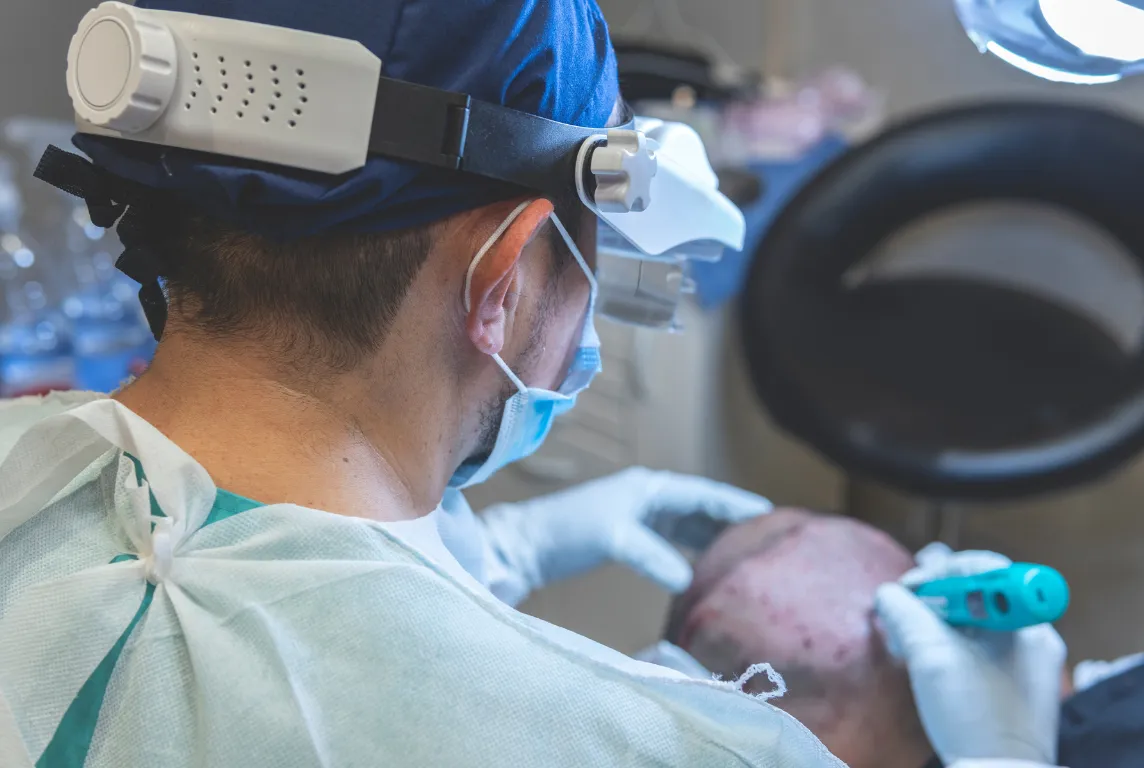
*Post-Hair Transplantation Recovery: Mesotherapy can enhance graft survival by reducing post operative inflammation, promoting angiogenesis, and accelerating tissue healing. Studies suggest that combining PRP and mesotherapy post-transplantation significantly improves follicle viability and hair density.
Book a Free Consultation Today!
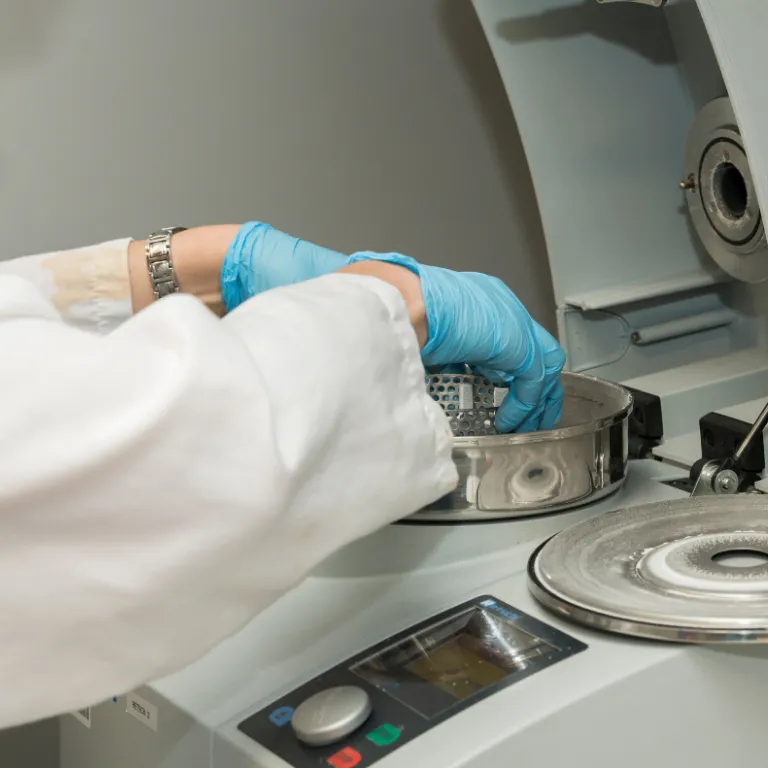
Platelet-Rich Plasma (PRP) therapy is an autologous blood-derived treatment that has gained
widespread attention in regenerative medicine, dermatology, and orthopedics. PRP is obtained by centrifuging whole blood to concentrate platelets, which contain growth factors that stimulate tissue repair and regeneration.
PRP therapy plays a crucial role in enhancing the success of hair transplantation procedures. It is commonly used in two ways:
*Pre-Operative Scalp Preparation: PRP injections before a hair transplant help improve scalp health and enhance graft survival.
*Post-Operative Healing: PRP accelerates tissue regeneration, reduces inflammation, and increases graft survival rates after transplantation.
Several studies have indicated that PRP application during hair transplantation can significantly improve follicle viability, promote faster healing, and lead to denser hair growth.
Book a Free Consultation Today!

Exosome therapy is an emerging regenerative treatment in hair restoration, offering a non-invasive,
biologically advanced solution for hair loss. Exosomes are extracellular vesicles secreted by stem
cells that facilitate intercellular communication by delivering bioactive molecules, including growth
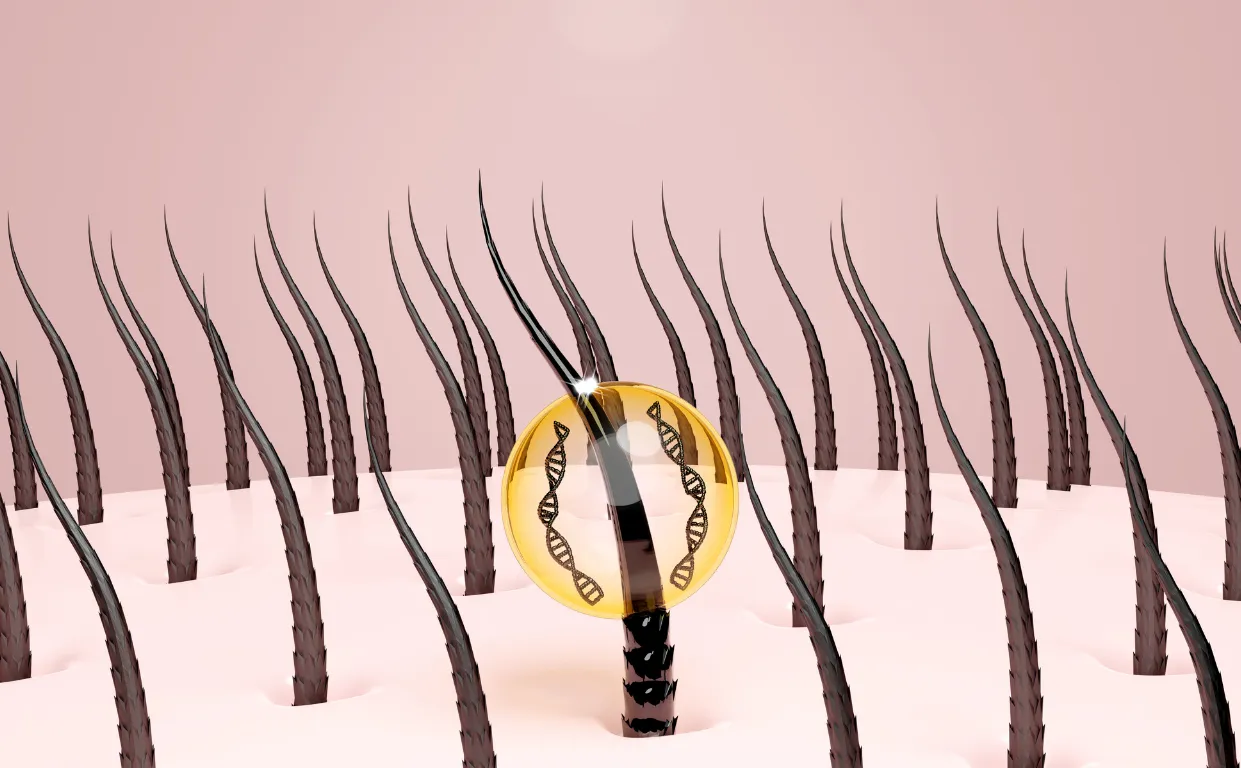
factors, cytokines, and microRNAs. These components regulate key biological processes such as cell proliferation, differentiation, and tissue repair. Recent studies suggest that exosome therapy promotes hair follicle regeneration, enhances angiogenesis, and modulates inflammatory responses, making it a promising therapeutic approach for androgenetic alopecia and other forms of hair loss. Additionally, its integration with hair transplantation has demonstrated improvements in graft survival, post operative healing, and overall hair density.
Book a Free Consultation Today!
Autologous micrograft is a new technique based on capillary and tissue regeneration therapy for combating hair loss and tissue renewal. This technique utilizes a "tissue suspension composed of the patient’s own (autologous) cells" to rejuvenate the scalp and tissues.
During the procedure, cells are collected from the healthy scalp tissue located behind the ear. These cells undergo processing and are then injected back into the entire scalp, increasing the number of progenitor (precursor) cells in the treated area.
This technique has been developed based on a series of clinical studies demonstrating the high presence of follicular cells and supportive stem cells in tissues. The preparation process involves cell collection, tissue suspension preparation, homogenization, and finally, photoactivation to make the suspension injectable.
Main Benefits
Book a Free Consultation Today!

Minoxidil is a treatment commonly used after a hair transplant to help promote healthy hair growth. Here are the main reasons why minoxidil is used after a hair transplant:
1. **Promoting New Hair Growth:**
Minoxidil works by increasing blood circulation to the scalp, which helps the transplanted hair follicles grow faster and healthier. This allows the transplanted hair to settle in more effectively and strengthens it.
2. **Preventing Existing Hair Loss:**
After a hair transplant, minoxidil can be used to prevent the loss of existing hair. It targets the factors that cause hair loss and helps strengthen the existing hair, creating a fuller and healthier appearance alongside the transplanted hair.
3. **Improving Hair Transplant Results:**
Minoxidil can help improve the results of a hair transplant by promoting the faster growth of transplanted hair follicles. This can increase overall hair density and help achieve a more natural-looking outcome.
4. **Assisting in the Early Stages of Hair Loss:**
Minoxidil can be effective in the early stages of hair loss. After a hair transplant, using minoxidil can help stop ongoing hair loss and prevent further thinning, providing better long-term results.
5. **Supporting Long-Term Results:**
Minoxidil plays an important role in supporting long-term results after a hair transplant. By promoting the healthy growth of transplanted hair and preventing further loss of existing hair, it helps maintain thicker and stronger hair over time.
Usage Guidelines:
Minoxidil should generally be used under a doctor's recommendation. The dosage should be determined by the doctor, taking into account the healing process and sensitivity of the transplanted area.
In conclusion, minoxidil is an effective treatment after a hair transplant to promote the growth of transplanted hair and protect existing hair, ensuring a successful and long-lasting result.
Finasteride is a medication commonly used after a hair transplant, particularly to help prevent male-pattern hair loss. While a hair transplant focuses on transplanting hair follicles to areas with hair loss, finasteride can support the process by preventing further hair loss and promoting healthy growth of transplanted hair. Here are the key reasons why finasteride is used after a hair transplant:
1. **Preventing Existing Hair Loss:**
A hair transplant only addresses areas with hair loss by adding new hair follicles. However, if the patient is still experiencing hair loss, the transplanted hair could be surrounded by thinning or shedding hair. Finasteride helps stop the loss of existing hair by preventing further hair follicle shrinkage, which supports the growth of the transplanted hair.
2. **Supporting New Hair Growth:**
Finasteride works by reducing levels of dihydrotestosterone (DHT), a hormone that causes hair follicles to shrink and eventually leads to hair loss. By lowering DHT levels, finasteride helps keep hair follicles healthy and supports the growth of new hair.
3. **Improving Hair Transplant Results:**
Using finasteride after a hair transplant can help the transplanted hair grow more effectively and remain healthy over time. It provides protection against hair loss in both the transplanted and surrounding areas, enhancing the long-term results of the transplant.
4. **Preventing Accelerated Hair Loss:**
If hair loss continues in the area surrounding the transplanted follicles, it can result in an uneven appearance. Finasteride helps prevent ongoing hair loss, ensuring that the surrounding hair stays intact, and contributes to a more natural and uniform look.
5. **Achieving Long-Term Results:**
Finasteride helps maintain the long-term success of a hair transplant. By preventing further hair loss and supporting the growth of healthy hair, it ensures that the transplanted hair remains intact and promotes the overall density and thickness of the hair in the future.
Usage Guidelines:
Finasteride should be used under the guidance of a doctor, as there can be side effects. It is important to follow the doctor's recommendations for dosage and treatment duration. Finasteride is typically effective for male-pattern hair loss and may not be suitable for everyone.
In conclusion, finasteride is a valuable treatment after a hair transplant to prevent further hair loss, support the growth of transplanted hair, and ensure long-term successful results.
Book a Free Consultation Today!
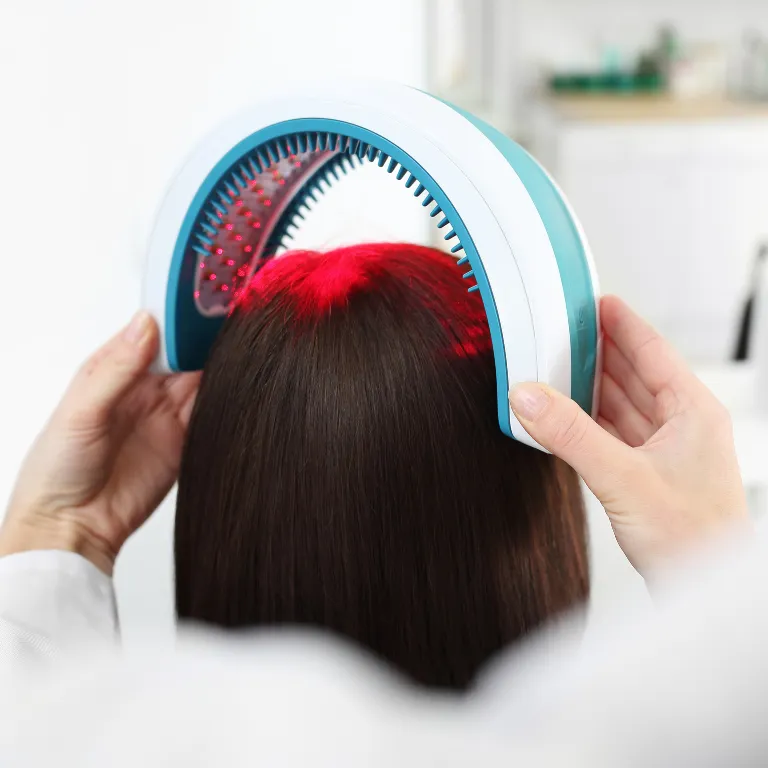
Low-Level Laser Therapy (LLLT) is a widely used method in hair loss treatment. LLLT aims to support hair growth by stimulating hair follicles with low-level laser light. The use of LLLT in hair loss treatment is particularly beneficial in the following areas:
1. Slowing Down Hair Loss: LLLT can reduce the rate of hair loss and prevent the existing hair from falling out. This is especially useful in cases of genetic hair loss, such as male pattern baldness (androgenetic alopecia).
2. Stimulating Hair Growth: LLLT can stimulate the hair follicles and promote the growth of new hair. It helps accelerate the metabolism of hair follicles, leading to faster and healthier hair growth.
3. Improving Hair Quality: LLLT can enhance the quality of the hair. It helps the hair become thicker, denser, and healthier.
4. Ease of Use: LLLT is typically administered in sessions, and the treatment is painless. It can be applied through personal devices or in a clinical setting.
5. Supportive Treatment for Preventing Hair Loss: LLLT can be combined with surgical treatments like hair transplants to promote the retention and healthy growth of transplanted hair. It can also speed up the healing process after the procedure.
The effectiveness of LLLT can vary from person to person, but it is generally considered a complementary treatment that contributes to hair loss management. It's advisable to consult with a dermatologist or hair health specialist before starting the treatment.
Book a Free Consultation Today!